|
This Padlet is full of free instructional resources to support structured literacy implementation in your classroom: padlet.com/lry212/literacy-instruction-resources-yov2y56lc4ib91c8 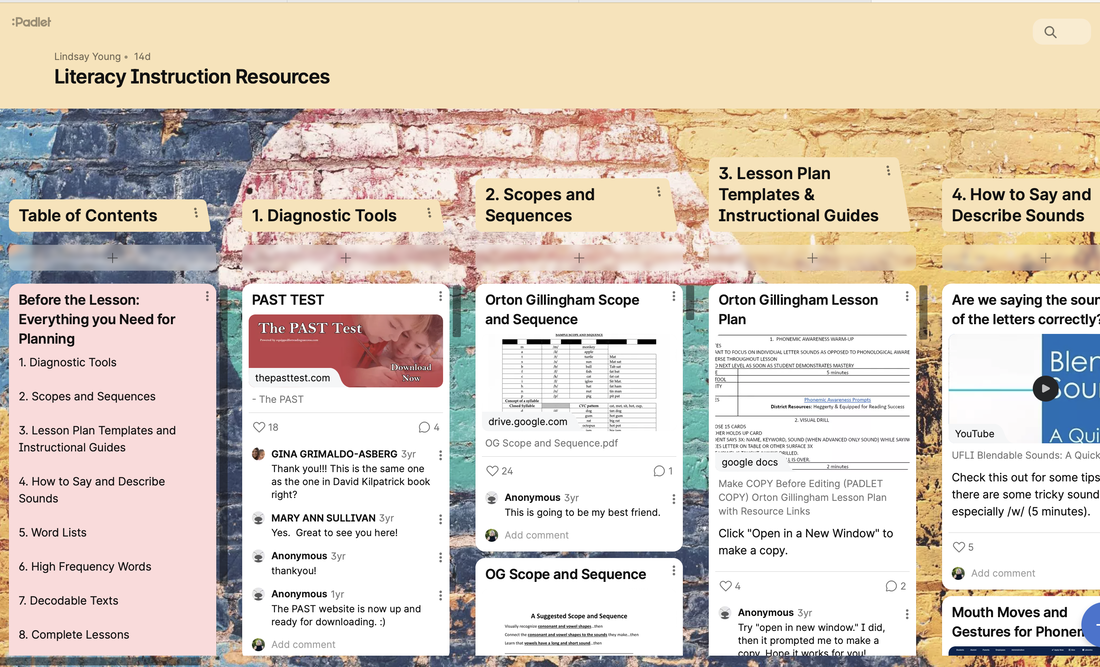
0 Comments
Check out Phinder- an AMAZING search engine that allows you to find words that contain your target grapheme/phoneme correspondence! Watch the short (2 minute tutorial) below.
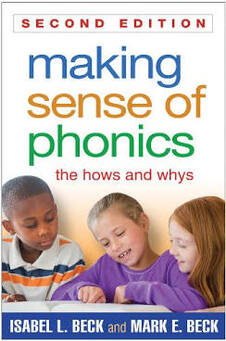
Instructional RoutineUpon return to school I plan to still use materials that lend themselves to virtual learning so that my students will be ready if we have school closures, so the platform I'm going to use for WordBuilding is Jamboard. Below you will find three documents: 1. Putting activities on Jamboard (a technical guide with screenshots). 2. A teacher script for conducting the WordBuilding Activities Please Note: The sample lesson is based on the first Wordbuilding list. To get the remaining 93 lists and silly questions that accompany each list, you must purchase Making Sense of Phonics.
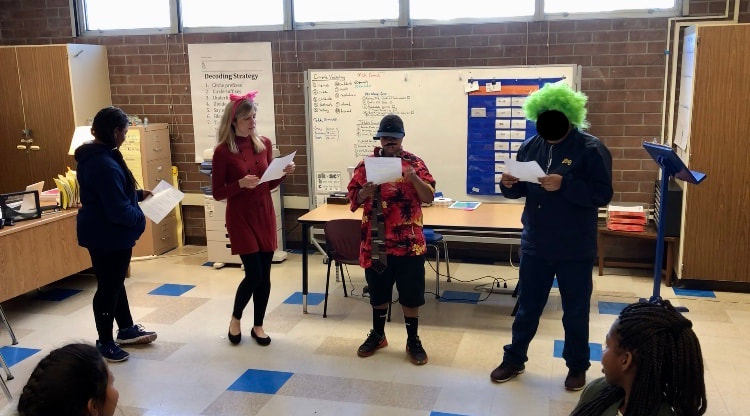
Plays on Words in High School
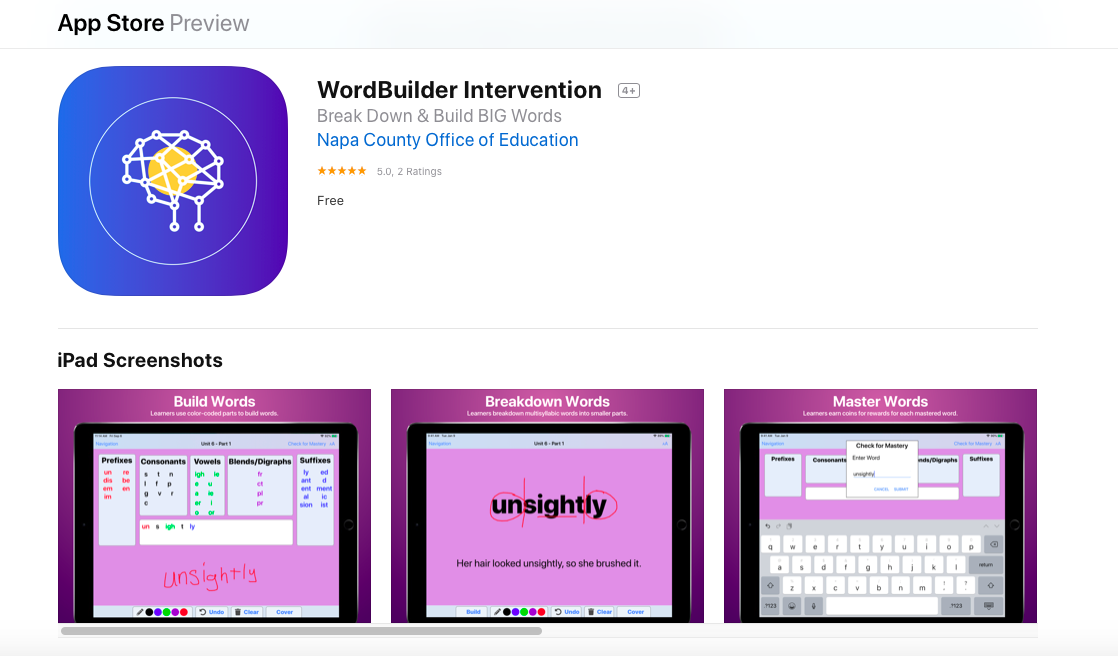 Please check out this wonderful instructional tool. It is perfect for older struggling readers who want to improve reading and spelling of multisyllabic words. For instructional videos please go to: www.wordbuilderapp.com.
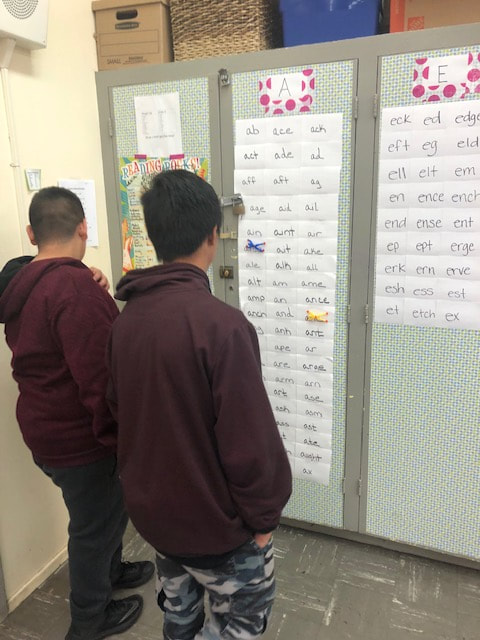
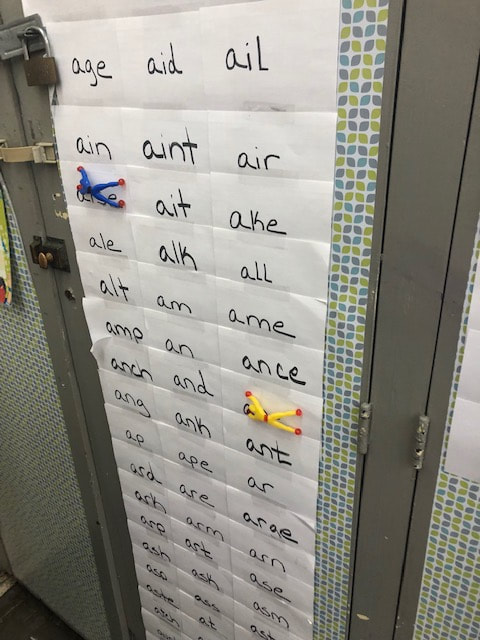
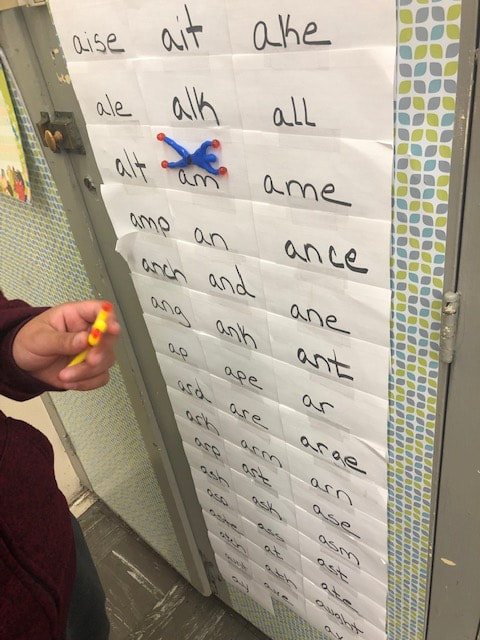
When it comes to classroom management, I believe that the most important thing a teacher can do is establish strong relationships with his/her students, and while I love when students are intrinsically motivated this is not always the reality of my classroom. I work with older struggling readers, and so often before we've even begun there is a resistance to learning-- this is one of the reasons I do like to use a ticket system and provide tangible rewards. At the beginning of the year I use it to establish routines and certain behaviors, but towards the end of the year they are used more for encouragement, and as a "thank you for persevering even thought that was tough" reward. Recently, I was asked how to set up a ticket system when setting up a new classroom. I reflected on my process, and this chart is what I came up with. I have posted other blogs about menu items and specific ways to earn tickets linked here and here. I have word walls set up with common rimes of vowels patterns that we've learned in class. I ordered some sticky men on Amazon (very cheaply) and created a new "vertical board game." Students read until they get stuck, and that's where they put their man. Then it's the next person's turn. They loved it!
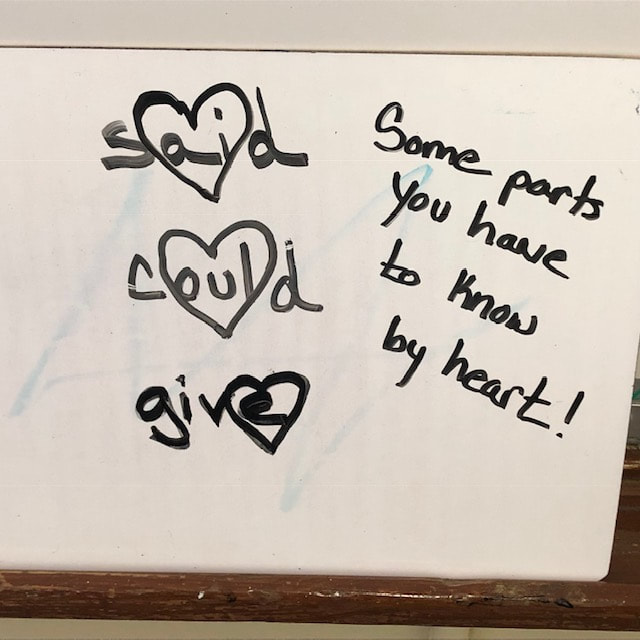 I've been reading some research lately, and several people have mentioned the importance of having students connect to the parts of irregular words that they ARE able to sound out. Then you tell them the part they just have to LEARN BY HEART you can help them remember this by actually drawing a heart around the irregular portion of the word. I heard this wonderful idea in a dyslexia workshop with Dr. Nancy Mather. Hopefully, you're able to use it with your students!
I hope your school year is off to a wonderful start! I love the beginning of the school year: teaching classroom routines, conducting icebreaker activities, and the energy I have from a restful summer break! Previously, I've blogged about the importance of experiencing joy in the classroom: more-classroom-community-building-activities.html. Just to reiterate, this is so important because during the year your students are going to have to trust you. As teachers we are going to have to ask them to do some difficult things and to put themselves out there (I know that is true for me in my reading intervention program). If you've also had fun together it makes it easier to do some challenging work together. Volleyball- This is one of my favorite activities yet. We took 20 minutes on a Friday (minimum day to boot). I hung a piece of yarn to divide the classroom, got the chairs out, and a ballon out (see picture for set up). Then we played volleyball. While some teachers might use those Friday minimum days to show a movie, I'm a huge advocate of using time like that to build connections. 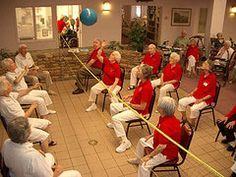 This activity and MANY MORE available at: https://www.schoolreforminitiative.org/protocols/. For this specific activity go to "Indoor Volleyball."
Reading Isn't Ruff is a program within the Los Angeles Area that brings trained therapy dogs to libraries and public schools so that students can read to them. This serves the purpose of lowering the affective filter for students (especially those who struggle with reading). We experienced first hand how having animals around truly does lower stress levels. Everyone had a blast! Even if you don't live in the Los Angeles area there might be a program like this at your local shelter. Here are a couple of tips to ensure the event runs smoothly:
|
Archives
November 2023
AuthorMs. Young is a teacher who wants to keep a record of what works! Categories |
|||||||||||||||

 RSS Feed